
Weddings
Choosing a Wedding Venue Around San Antonio and the Hill Country
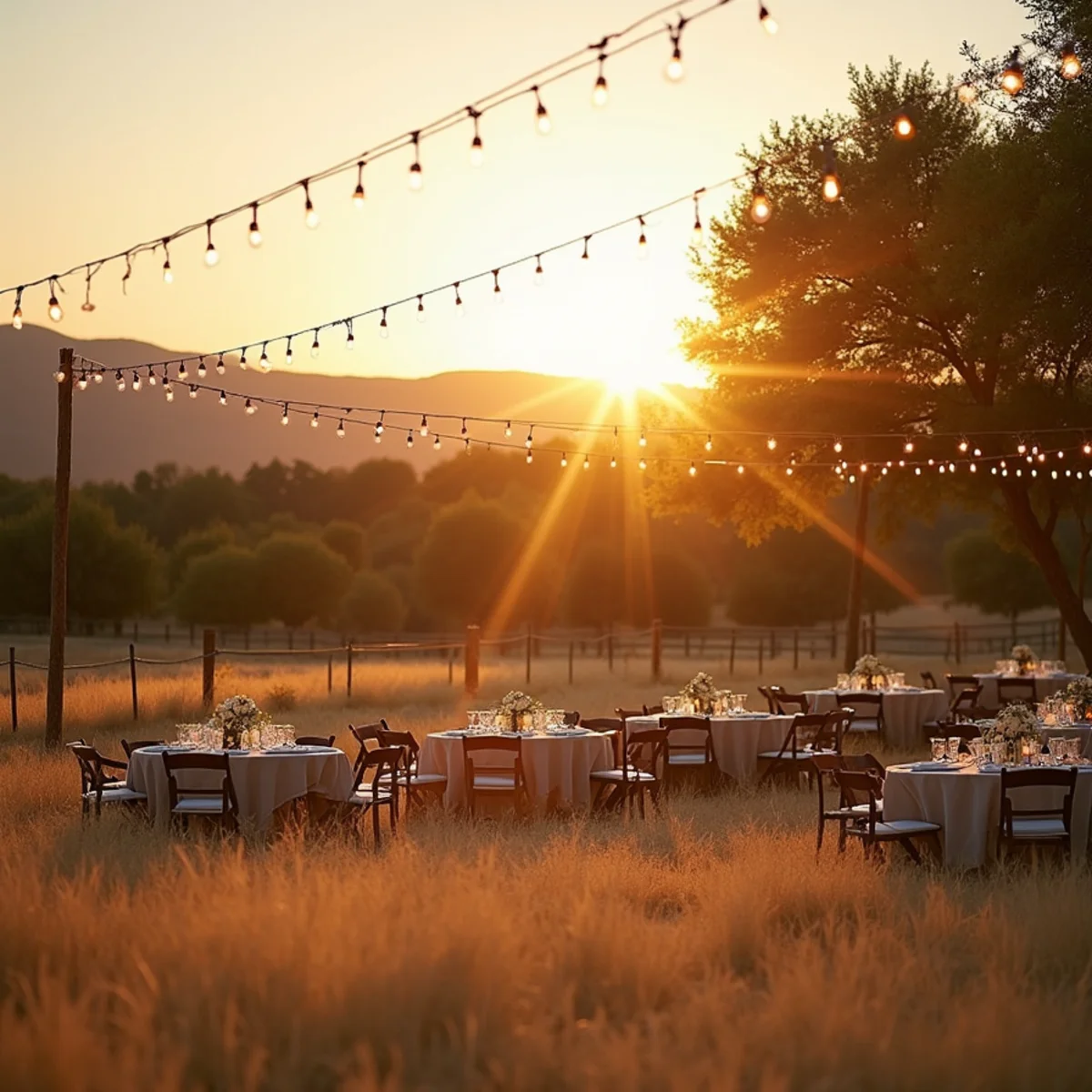
Wedding venues around San Antonio fall into five practical categories: downtown historic, urban industrial, Hill Country ranch, riverside, and church-plus-separate-reception. Each has a distinct light profile and a distinct logistical cost. Choosing well means matching the category to your guest count, your ceremony time and how far people are willing to drive.
Downtown and historic venues
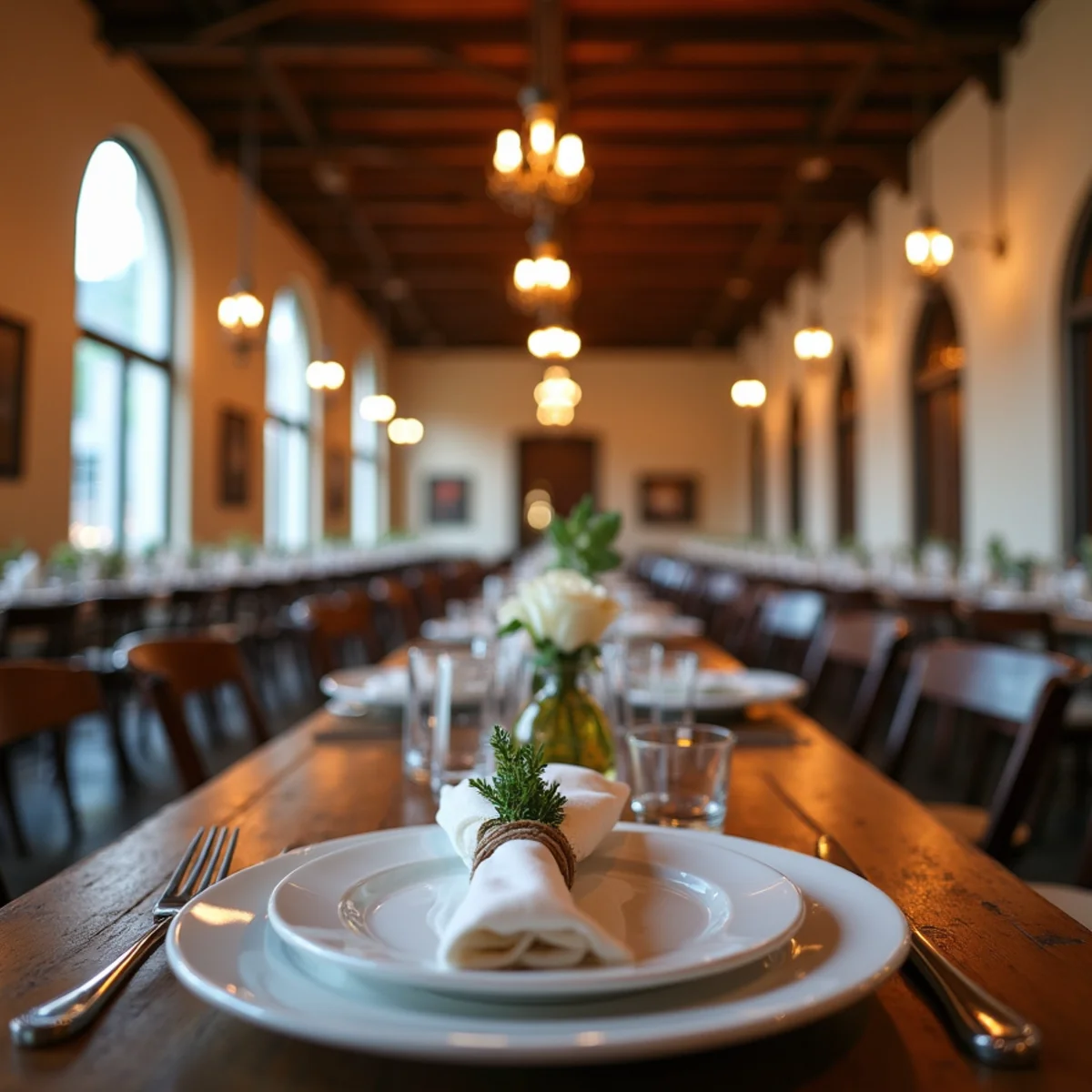
Downtown San Antonio venues — restored halls, hotel ballrooms, courtyards near the River Walk and Main Plaza — buy you one thing above all: everything is walkable. The ceremony, portraits and reception can happen inside a few blocks, which removes the transitions that break most timelines.
They also give architecture. Limestone, arches, iron and cathedral façades produce portraits with weight, and blue hour downtown with the lights coming on is genuinely one of the best photographic windows in the city.
The trade-off is parking and guest logistics. Downtown parking is expensive and scattered, and out-of-town guests unfamiliar with the one-way system arrive stressed. Venues that include or arrange parking are worth a premium.
Urban industrial and Pearl-area spaces
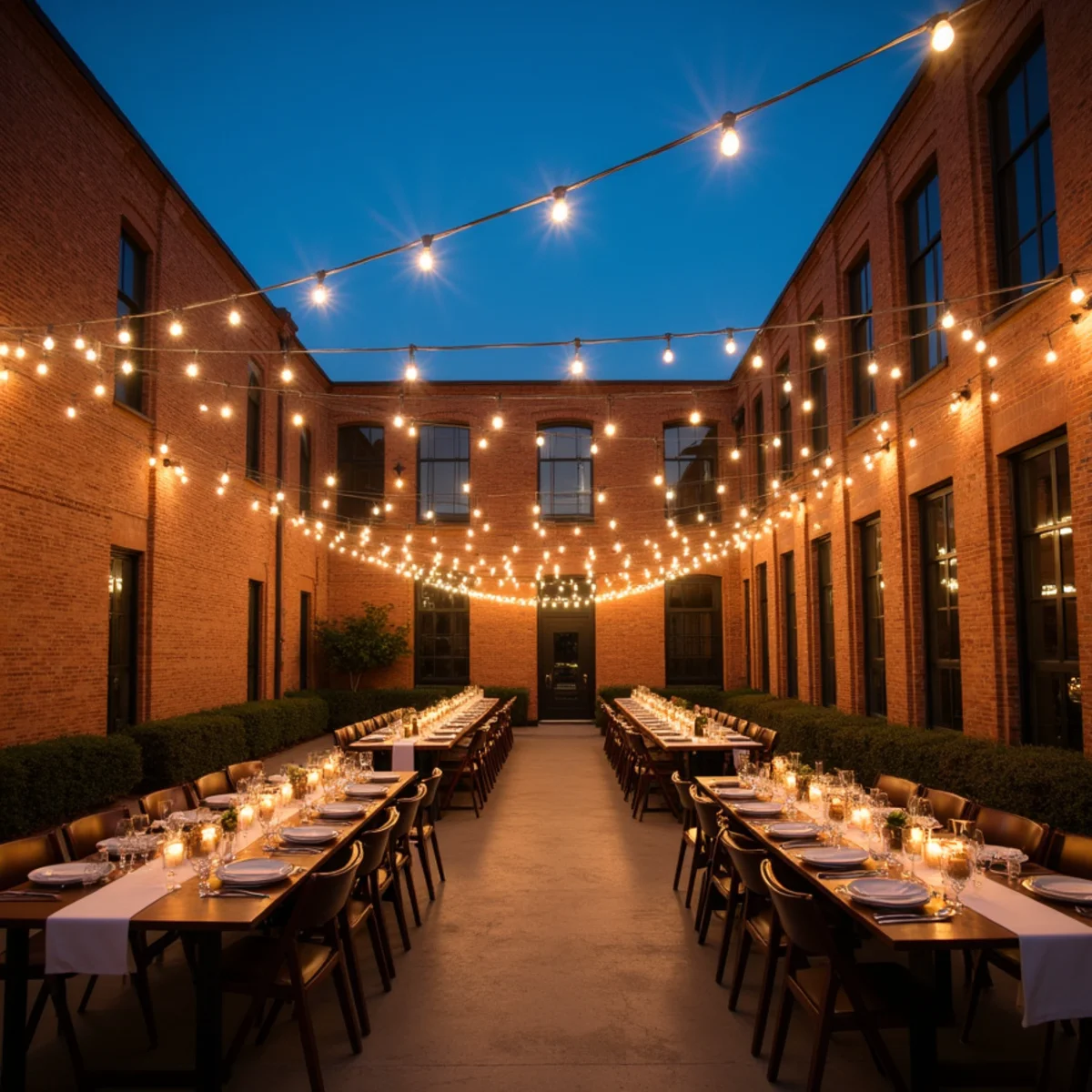
The Pearl district and the converted industrial spaces around Tobin Hill and the East Side give brick, steel, glass and string lights. They photograph beautifully at dusk and they suit couples who want something contemporary rather than traditional.
The photographic consideration is that these spaces are often built for evening. Interior daytime light can be limited, which means the portrait strategy leans on outdoor spaces nearby rather than on the venue itself. Ask specifically what outdoor area you have access to and at what times.
Hill Country ranch and vineyard venues
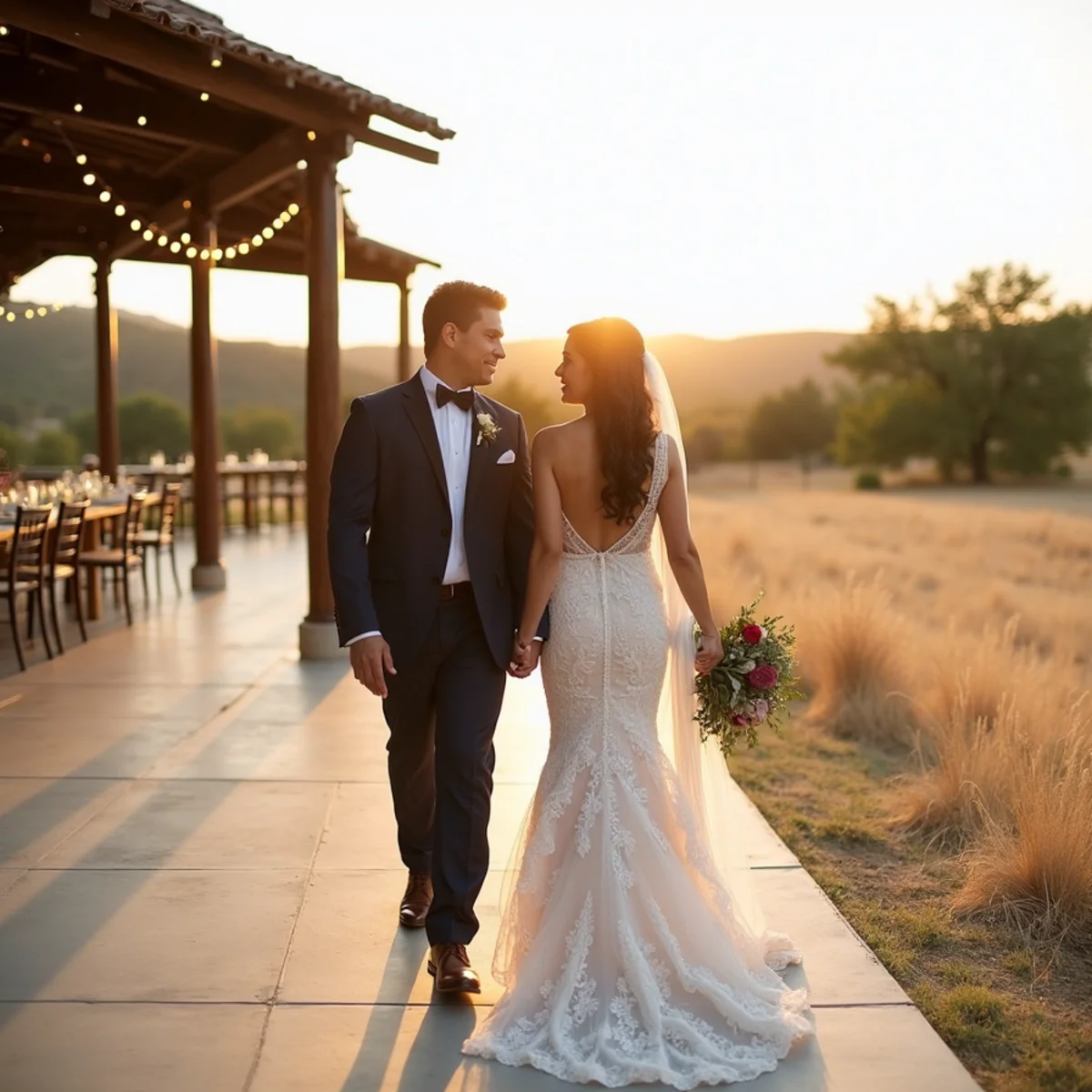
This is the largest and fastest-growing category — properties in Boerne, Bulverde, Spring Branch, Helotes and out toward Fredericksburg, built specifically for weddings on open land.
Photographically they are generous. Open sky, long views, gold grass and unobstructed sunsets. The best of them have a covered outdoor space that works in rain and a ceremony site oriented so the couple is not squinting into the sun.
The costs are real though. Guests drive 30 to 60 minutes each way. Vendors charge travel. There is often no shade at all between May and September. And the ridgelines to the west shorten the usable evening light, sometimes by twenty minutes against the published sunset. When touring a ranch venue, ask what time direct sun leaves the ceremony site in your wedding month — the good venues know the answer.
Riverside and lakeside venues
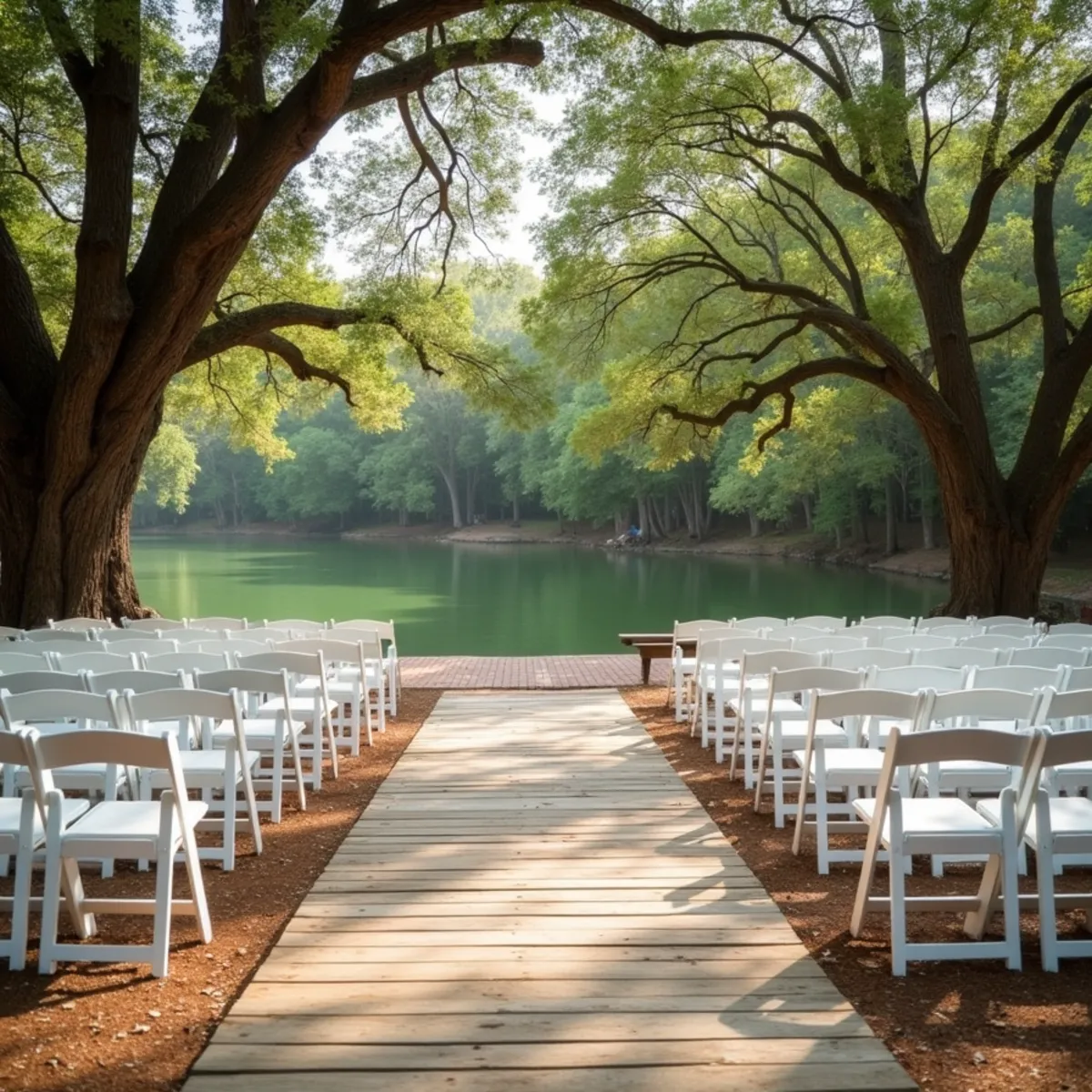
The Guadalupe and Comal rivers, and Canyon Lake, support a set of venues with cypress, clear water and limestone. New Braunfels and Gruene are the centre of it, with Spring Branch and Canyon Lake further out.
These are the most photogenic venues in the region and the most weather-dependent. The Guadalupe responds fast to upstream rain, low-water crossings close, and lake levels move a long way with drought. Any riverside venue conversation should include what happens when the water is high.
Summer brings the second issue: recreation traffic. Between Memorial Day and Labor Day, the roads around the rivers are genuinely congested on weekend afternoons, and that affects both guest arrival and vendor timing.
Church ceremony plus separate reception
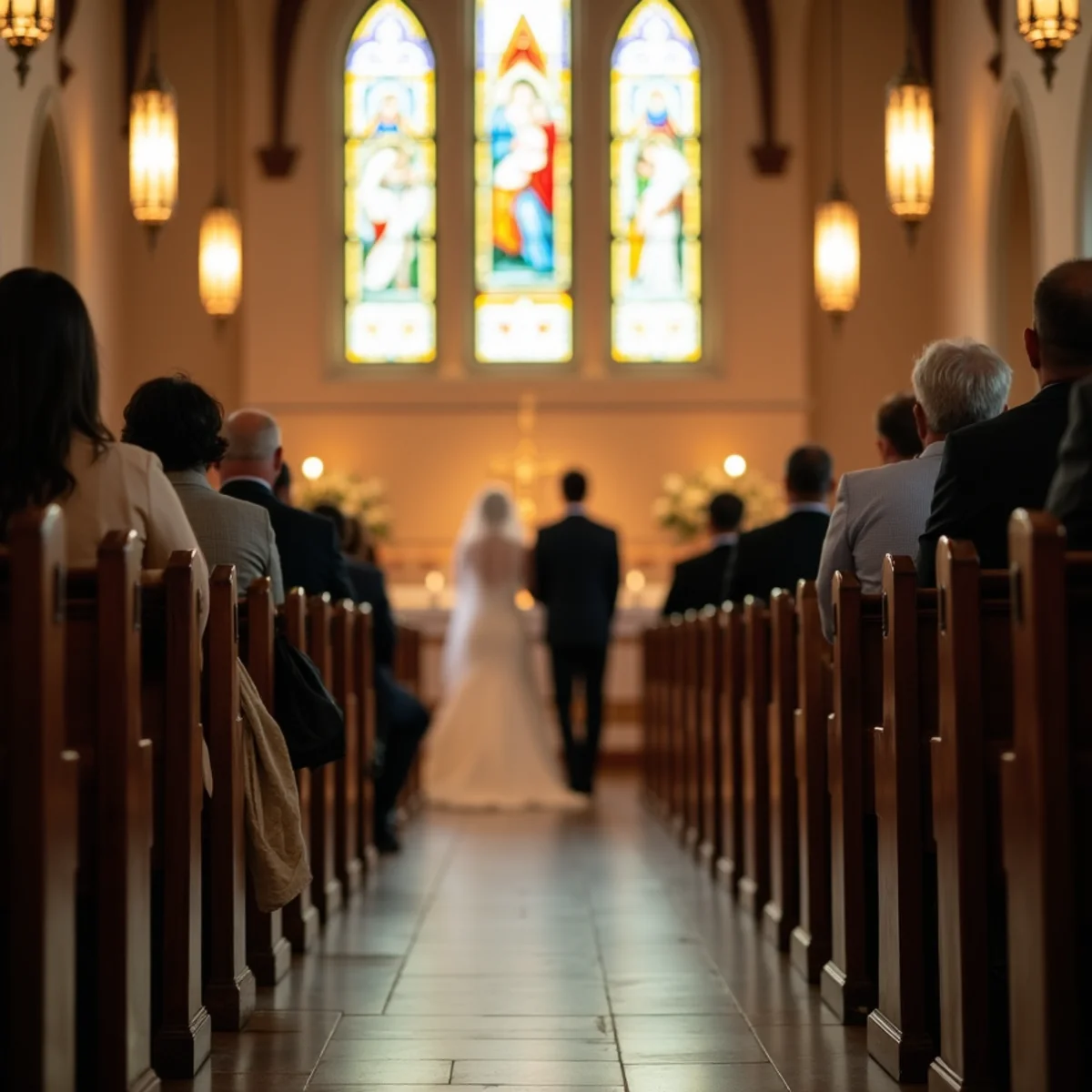
This remains the most common structure in San Antonio, particularly for Catholic families. The ceremony happens at a parish, the reception at a hall or venue elsewhere in the city.
The photographic planning points are specific. Most parishes restrict where a photographer may stand, many prohibit flash during the liturgy, and some ask that nobody move during the vows. Those rules vary parish to parish and need confirming rather than assuming.
The logistical point is the gap. Between a 2 p.m. ceremony and a 6 p.m. reception there is a four-hour hole. That is either a problem or an opportunity — used well, it is exactly when portraits happen at a third location, which is how you end up with a gallery that includes a mission, a park or a downtown plaza alongside the venue.
Six questions to ask on every venue tour
What time does direct sun leave the ceremony site in my wedding month? A venue that cannot answer has not thought about it.
What is the rain plan, and have you used it? Ask to see the space, not hear about it.
What time can vendors access the site, and what time must everyone be out? These two numbers set the outer bounds of your entire timeline.
Is there a getting-ready space, and does it have windows? Getting-ready coverage shot in a windowless room looks very different from one with daylight.
What are the rules on drones, open flame, confetti and sparklers? These affect both décor and exit photographs.
Where do guests park, and how far is the walk? This is the question that most affects how your guests actually experience the day.
Planning something in San Antonio? Let’s talk it through.
Valdovinos Photography covers weddings, quinceañeras, portraits and events across San Antonio and the Hill Country, in English or Spanish. Call (210) 529-1513 to check a date — the consultation is free and there is no pressure either way.
Frequently asked questions
Are Hill Country venues worth the drive from San Antonio?
For the photographs, usually yes — open sky, long views and unobstructed sunsets are hard to replicate in the city. The costs are guest travel of 30 to 60 minutes each way, vendor travel charges, and no shade between May and September. It comes down to whether the landscape matters more than the convenience.
What should I ask a venue about lighting?
Ask what time direct sun leaves the ceremony site in your specific wedding month, and which direction the couple will face. A ceremony that puts the couple squinting into a low western sun is a fixable problem if you know about it before booking.
How does a church ceremony change the day?
It usually creates a gap between the ceremony and reception, and it adds a set of parish-specific photography restrictions on positioning and flash. The gap is best used as a portrait window at a third location, which often produces the most distinctive images in the gallery.
Related services
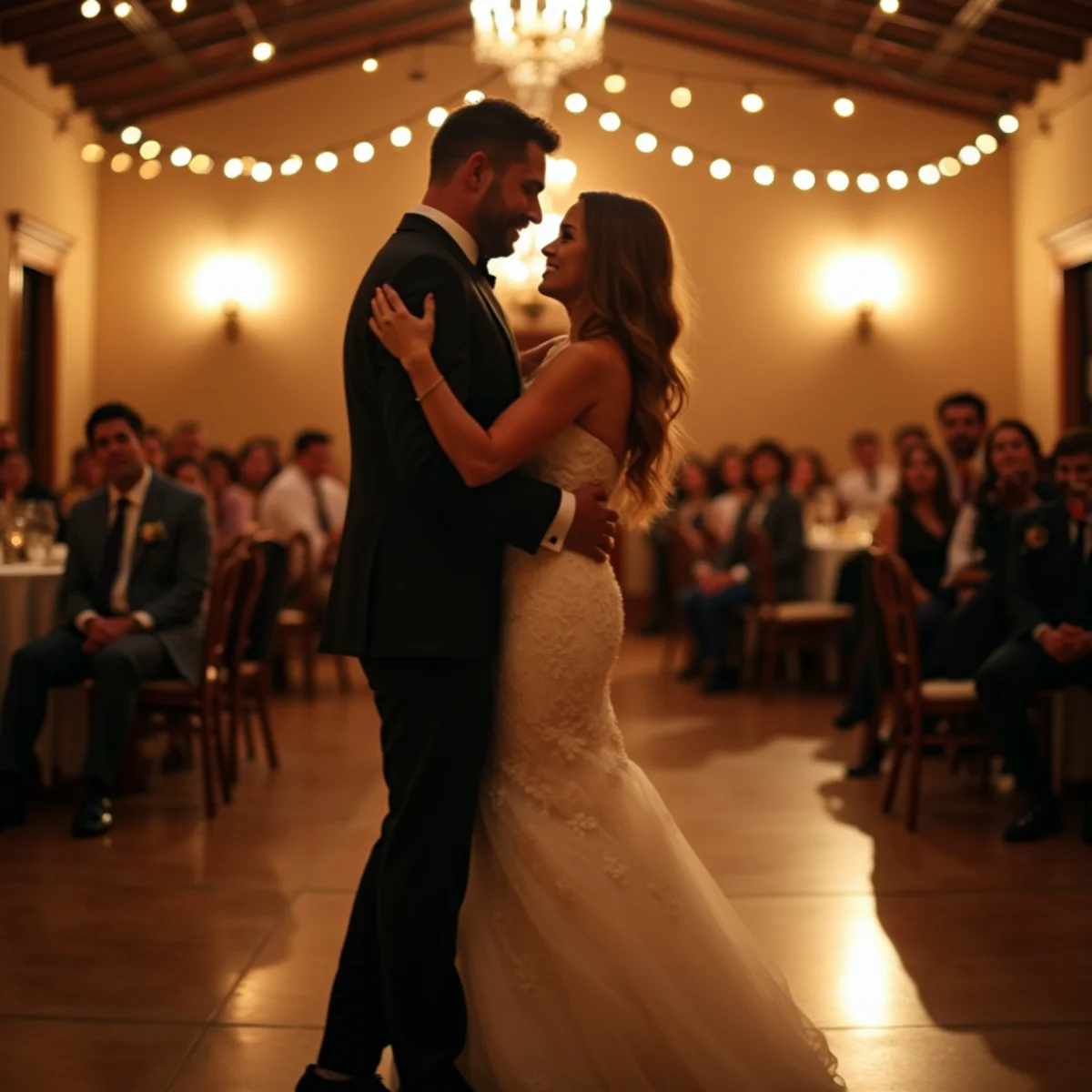
Wedding Photography in San Antonio
Full-day ceremony and reception coverage across San Antonio and the Hill Country, with a second shooter available and every image delivered in a private gallery.
Learn more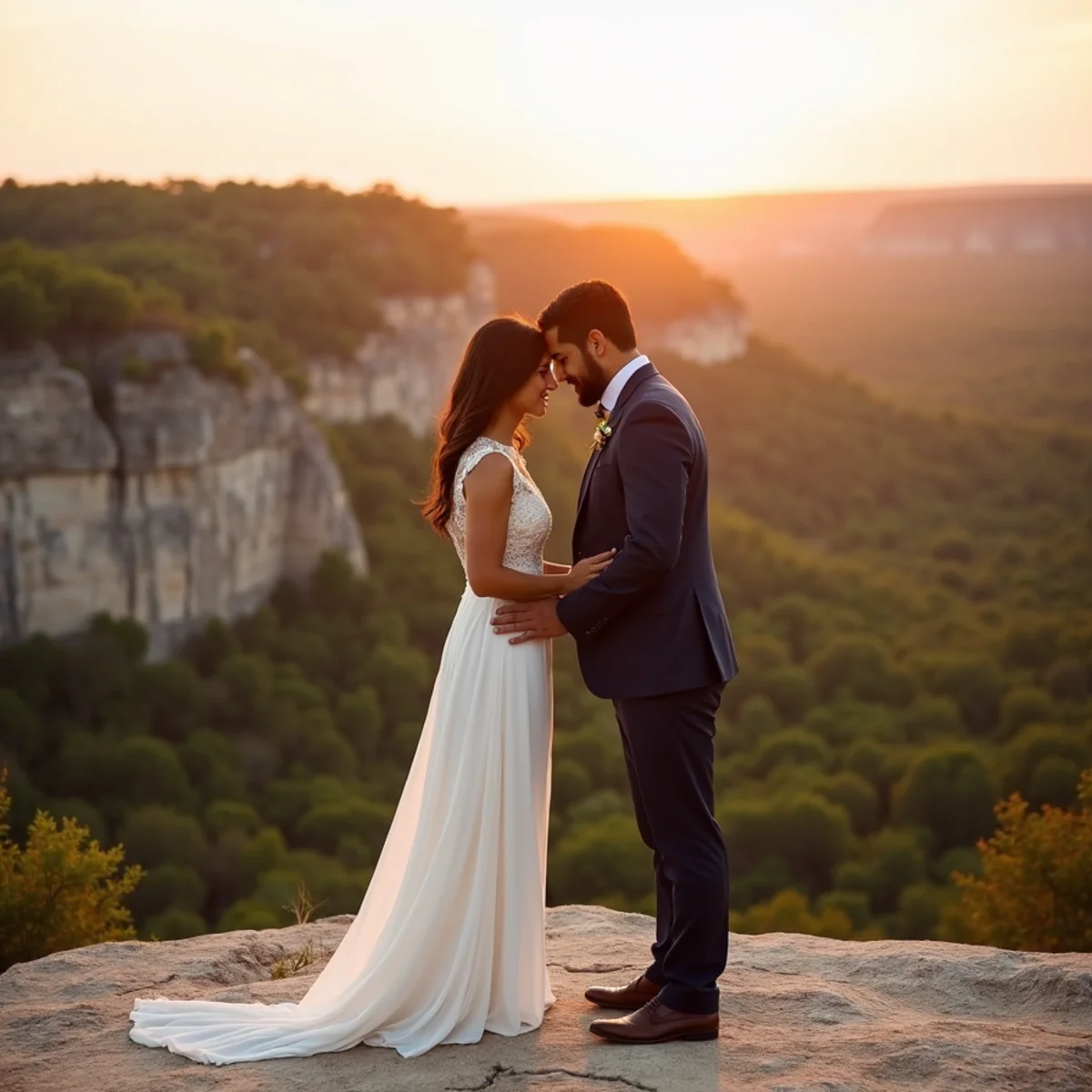
Elopement & Intimate Wedding Photography in San Antonio
Courthouse ceremonies, backyard vows and thirty-guest Hill Country weddings — short, focused coverage that fits the day you actually planned.
Learn more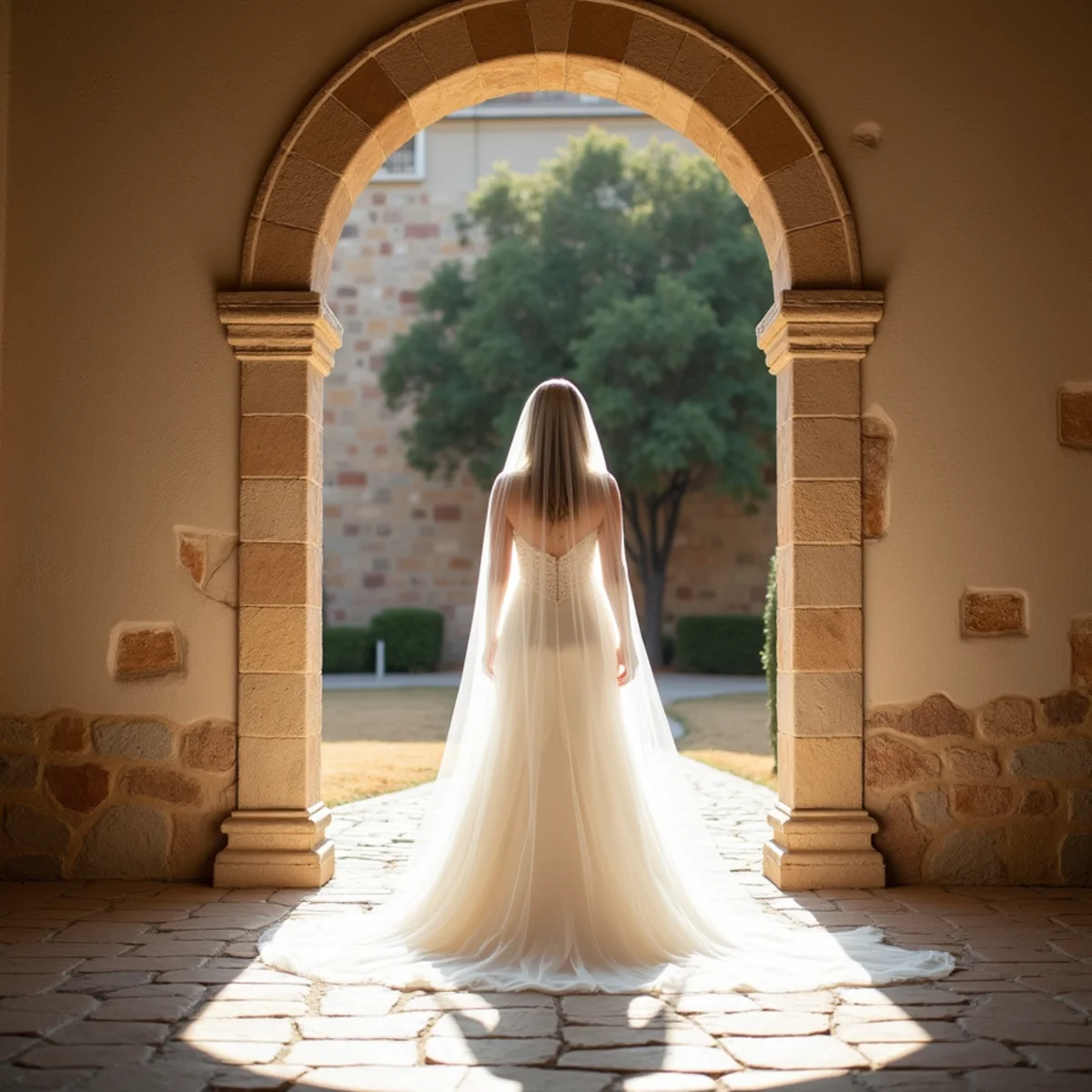
Bridal Portraits in San Antonio
The Texas bridal session — full hair, makeup and dress, weeks before the wedding, without a timeline pressing on you.
Learn moreAreas mentioned in this guide
Keep reading
Weddings · 7 min read
How to Build a San Antonio Wedding Photography Timeline
Sunset, not the ceremony, should anchor your wedding day schedule. Here is how to build a San Antonio timeline backwards from the light — including the travel times couples consistently underestimate.
Read moreWeddings · 8 min read
What Drives Wedding Photography Costs in San Antonio
Nobody can quote a wedding photography price without knowing your date, hours and venues. Here are the seven variables that actually move the number — and how to reduce cost without reducing coverage.
Read more